
Botox for TMJ: Does It Work?
Does Botox Work for TMJ?
Botox can ease TMJ symptoms by relaxing the jaw muscles responsible for clenching and grinding, but it doesn't treat what's actually causing the disorder in the first place. Think of it as turning down the volume on the pain rather than fixing the source.
Results typically last three to four months before another round is needed, and that cycle repeats indefinitely unless the underlying joint or muscle issue gets addressed directly.
For most patients, that's the real question worth asking: do you want ongoing symptom management, or do you want the actual problem treated?
Our team walks through both options during a TMJ evaluation so you know exactly what you're choosing.
How Botox Works for Jaw Pain and Clenching
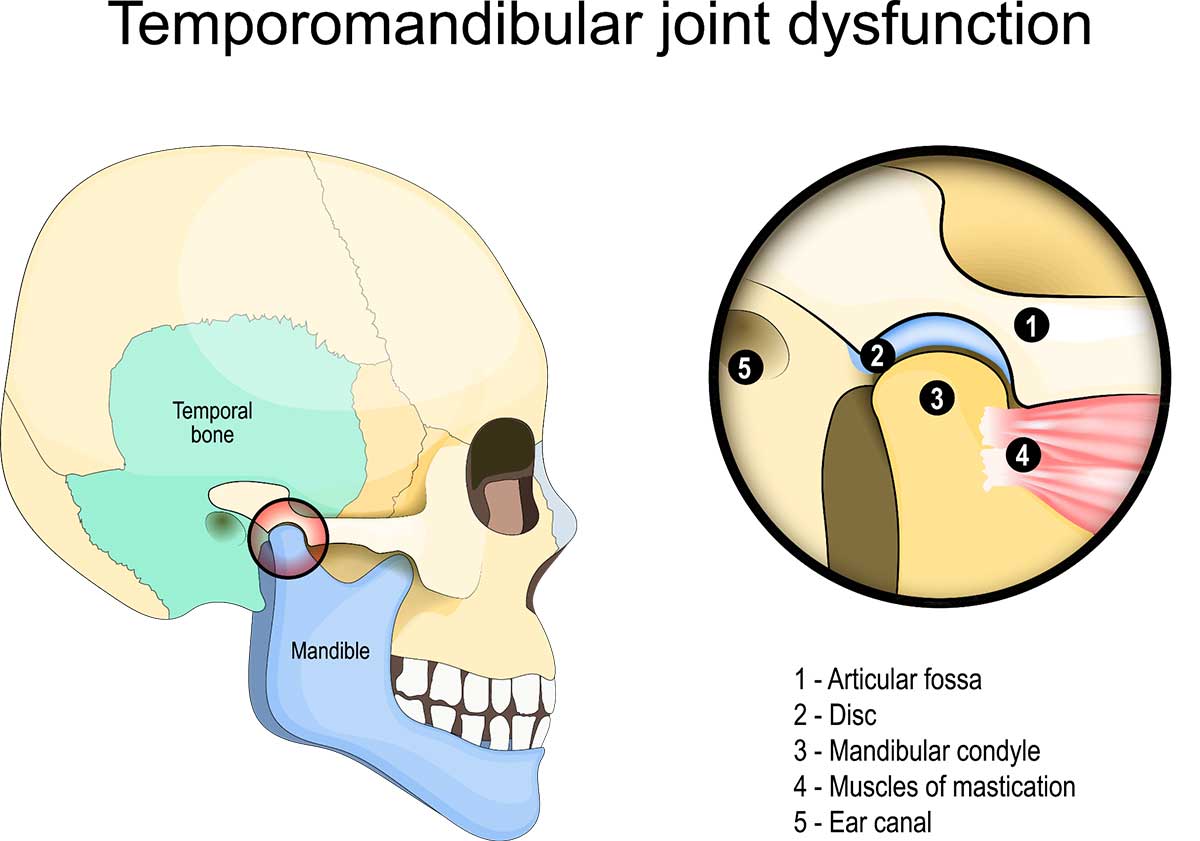
Botox works by blocking nerve signals to the muscles it's injected into, typically the masseter and temporalis, the two major muscles responsible for clenching force. Less signal means less contraction strength, and less contraction strength means less pressure grinding away at your jaw joint every night.
Relief usually starts within a few days and builds over the following week as the muscle gradually relaxes. Patients often notice less morning soreness and fewer tension headaches once the injections take full effect.
It's a fairly quick process, and for muscle-driven symptoms specifically, the relief can be noticeable.
What Botox Can and Can't Fix About TMJ
Botox does one job well: it reduces muscle tension. That translates into real relief from clenching-related pain and the headaches that often come with it. For patients whose TMJ symptoms are almost entirely muscle-driven, that relief matters.
Here's where it falls short. Botox does nothing for joint misalignment. It doesn't repair structural damage inside the joint itself, and it doesn't stop the habit of clenching or grinding that caused the problem to begin with. Once the injection wears off, usually within a few months, the underlying issue is still sitting there waiting.
That's not a criticism of Botox itself. It's just not designed to be a long-term fix, and treating it like one tends to leave patients back at square one every few months, injection after injection.
The pattern here is worth noticing. Options that address the joint and the alignment tend to offer results that actually build over time, instead of resetting the clock every few months.
Who Botox May Be a Good Fit For
Botox tends to come up for a specific type of patient: someone whose symptoms are almost purely muscle-driven, without significant joint damage, and who wants a non-surgical option for quick relief.
It can also work as a short-term add-on for someone already using a night guard who needs a bit more help managing clenching intensity.
It's not a fit for everyone, though, and it definitely shouldn't be the first thing you try based on a Google search alone. A proper evaluation determines whether your symptoms are coming from muscle tension, joint dysfunction, or both, and that distinction changes everything about which treatment actually makes sense for you.

Conservative TMJ Treatment Options Worth Considering First
Before jumping to injections that need repeating every few months, it's worth looking at what actually resolves TMJ symptoms long-term. A custom night guard reduces the pressure your jaw takes on during sleep, often the single biggest factor driving symptoms in the first place.
Bite adjustment corrects alignment problems that put uneven strain on the joint every time you chew or talk.
For more persistent cases, Hall Dental Studio also offers advanced regenerative options like PRP, prolotherapy, and laser therapy, treatments designed to actually support healing in the joint itself rather than just numbing the muscles around it.
These approaches take a bit more time to show full results, but they're working toward something that lasts, not something you have to redo on a quarterly schedule.
Get an Expert TMJ Evaluation at Hall Dental Studio in South Nashville
Jaw pain deserves a real answer, not just a temporary fix you have to keep repeating. At Hall Dental Studio, Dr. Thompson brings years of specialized TMJ training to every evaluation, looking at your muscles, your joint, and your bite together instead of treating symptoms in isolation. That's what a genuine treatment plan looks like, and it's the difference between managing pain and actually resolving it.
If jaw pain has become part of your routine, let's change that.
Visit Hall Dental Studio to schedule your evaluation and find the option that's actually right for you.
FAQs: Botox and TMJ Treatment
How long does Botox last for TMJ pain?
Botox typically provides relief for three to four months before symptoms return and another round of injections is needed to maintain the effect.
Is Botox for TMJ covered by insurance?
Coverage varies widely by provider and plan, since Botox for TMJ is often considered cosmetic or elective rather than medically necessary treatment.
Does Botox fix the root cause of TMJ disorder?
No, Botox relaxes the muscles involved in clenching but doesn't correct joint misalignment or structural issues driving the disorder.
What are the side effects of Botox for jaw pain?
Common side effects include temporary bruising, swelling, or mild weakness in the treated muscles, most of which resolve within a few days.
What's the alternative to Botox for TMJ relief?
Custom night guards, bite adjustment, and regenerative treatments like PRP and prolotherapy address the underlying joint and muscle issues for longer-lasting relief.
Come visit us, we’d love to make you smile.
