
Can Stress Cause TMJ Disorder? The Jaw-Clenching Connection

Can Stress Cause TMJ Disorder?
No, but it can signficantly worsen a TMJ disorder. When your body is under pressure, your jaw often becomes the release valve. Muscles tighten without you noticing, teeth grind at night, and the joint connecting your jaw to your skull takes on strain it was never built to handle.
Stress alone doesn't always create TMJ problems from scratch, but it's one of the most common triggers we see walk through our doors, and it tends to make existing jaw issues significantly worse. If your jaw aches after a hard week, that connection is real, and it's worth addressing before it becomes a chronic problem.
Our team at Hall Dental Studio treats stress-related TMJ pain every week, using conservative methods built around your specific situation.
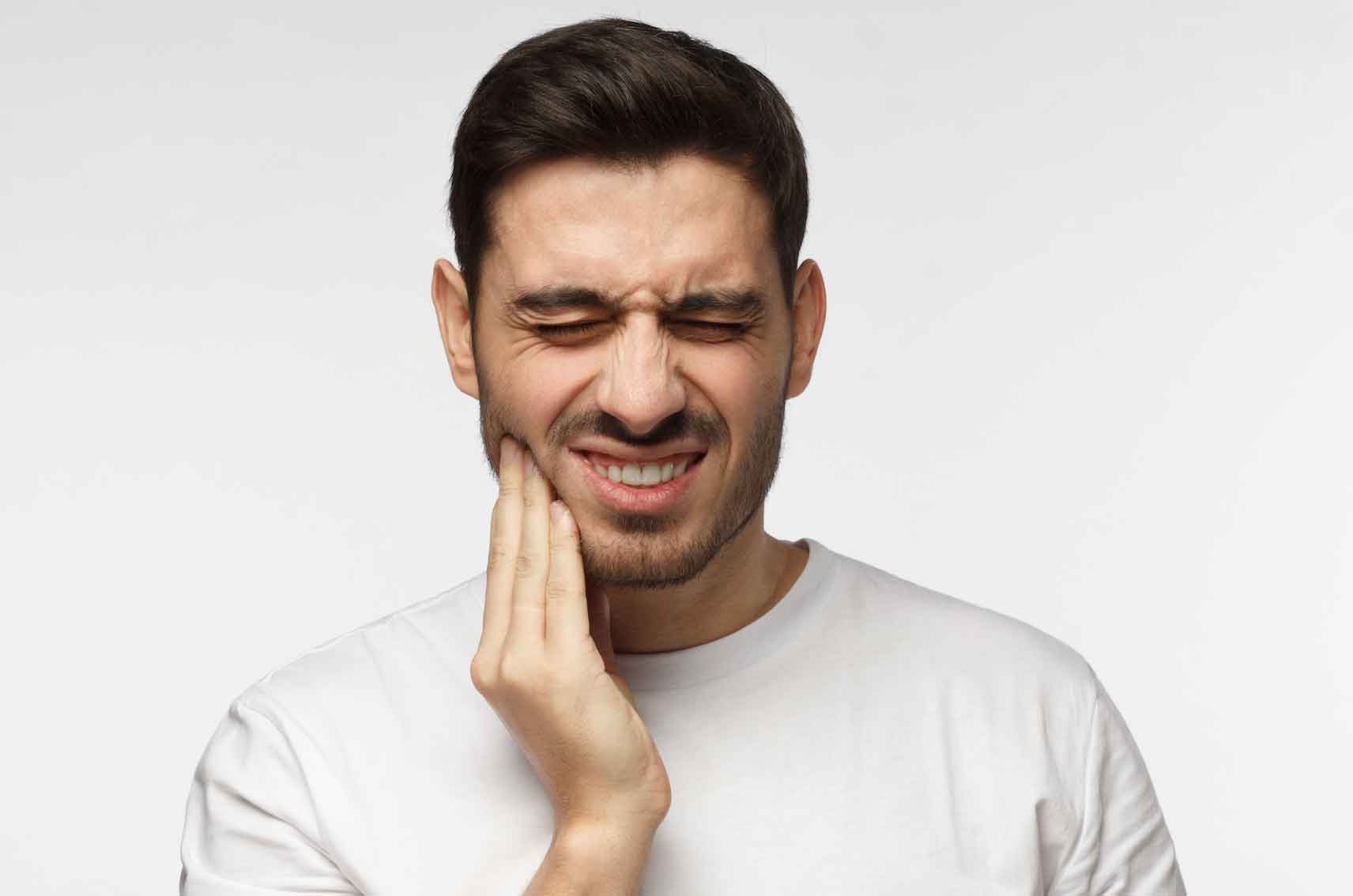
How Stress Triggers Jaw Clenching and Teeth Grinding
Stress activates your body's fight-or-flight response, and that response doesn't stay contained to your mind.
Cortisol rises, muscles across your body tighten, and your jaw is one of the first places that tension settles. Most people clench or grind without any awareness it's happening, especially overnight.
You wake up, your alarm goes off, and you have no memory of your jaw working overtime for eight hours straight.
This pattern is called bruxism, and it's different from occasional teeth grinding during a stressful meeting. Chronic stress creates a repeated cycle: tension builds, the jaw clenches to cope, and the muscles never get a real chance to reset. Over weeks and months, that repetition adds up. The joint gets irritated, muscles stay fatigued, and what started as a stress response turns into a physical one your dentist can see and measure.
Signs Your TMJ Pain May Be Stress-Related
Stress-related TMJ pain has a pattern to it, and recognizing that pattern is the first step toward relief.
Morning jaw soreness is one of the clearest signals, since most stress-driven clenching happens while you sleep. Pay attention to a few other common markers too:
- Waking up with a tight or fatigued jaw, even without pain elsewhere
- Flattened or worn spots on your teeth that weren't there before
- Tension headaches that show up around your temples in the morning
- Catching yourself clenching during deadlines, traffic, or tough conversations
- Jaw tightness that spikes during high-pressure weeks and eases up on vacation
This is different from TMJ pain caused by an old injury or a misaligned bite. Stress-related symptoms fluctuate with your life. If your jaw pain seems to track your calendar more than your dental history, stress is likely playing a leading role.
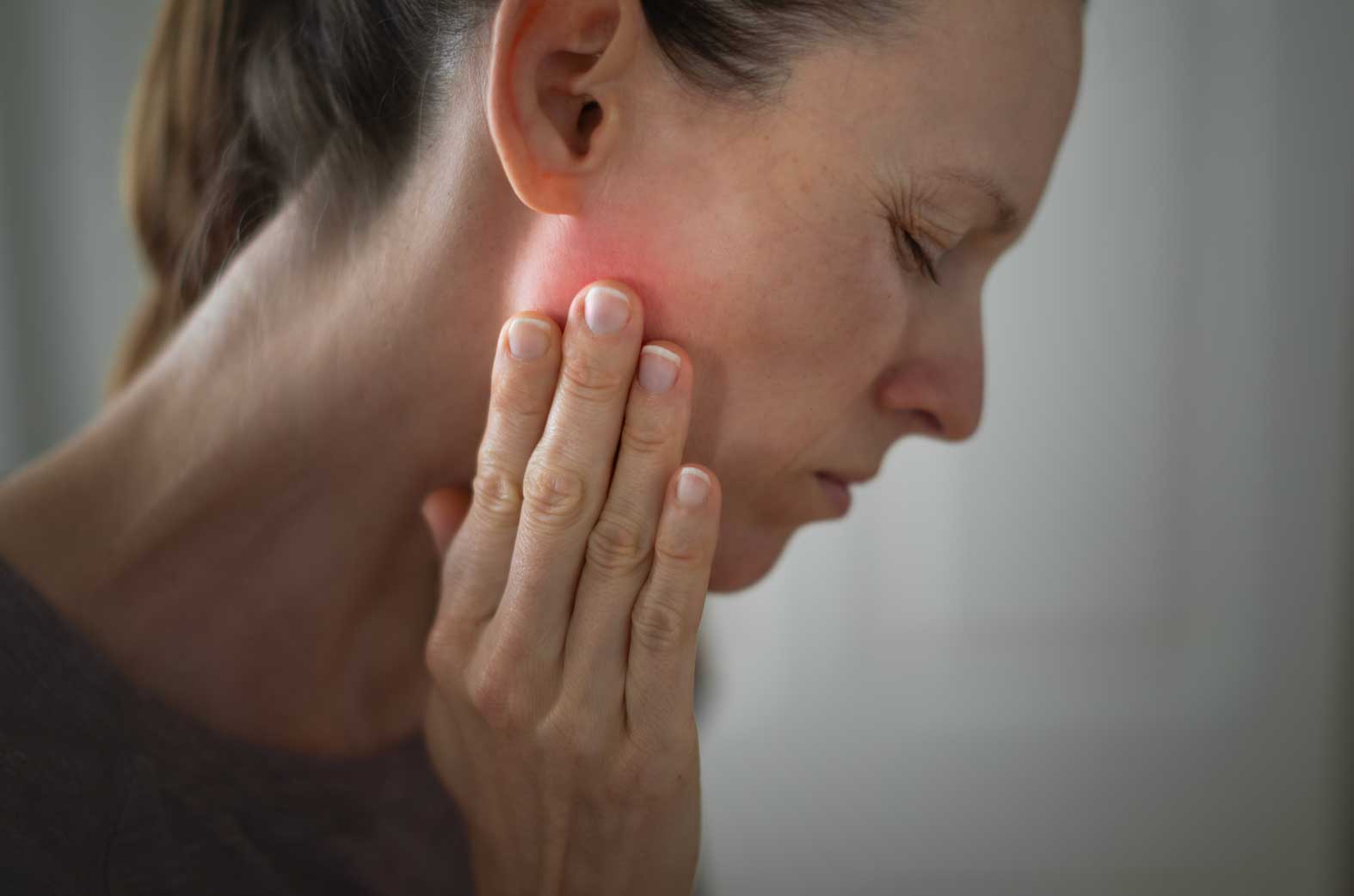
The Physical Toll of Chronic Jaw Clenching
Left unaddressed, stress-driven clenching does real damage over time.
Enamel wears down faster than it should, sometimes visibly flattening the biting surfaces of your teeth.
The joint itself can become inflamed from the constant pressure, and the muscles around your jaw stay in a near-permanent state of fatigue, similar to how your shoulders feel after carrying a heavy bag all day, except this happens to muscles you use every time you eat or speak.
None of this resolves on its own if the clenching continues. Small issues compound. A little wear becomes a cracked tooth. Mild tension becomes chronic jaw locking.
Catching stress-related TMJ symptoms early gives you far more treatment options and a much easier path back to comfort.
Breaking the Cycle: Managing Stress-Related TMJ Symptoms
Reducing stress itself helps, and that part is on you: sleep, exercise, and simply building in breaks during a hard week all make a measurable difference. But stress management alone rarely undoes months or years of clenching pattern.
Your jaw needs direct support too.
A custom-fitted oral appliance is often the first and most effective step. Unlike anything you'd grab off a drugstore shelf, a professionally made guard from our occlusal and sports guards service is molded to your bite, so it actually absorbs pressure instead of shifting around while you sleep.
From there, we look at whether bite adjustment, muscle therapy, or other conservative treatments make sense for your specific case.
Nobody needs surgery for stress-related TMJ. The goal is always the least invasive path that gets you real relief.

Find Lasting TMJ Relief at Hall Dental Studio in South Nashville
Stress isn't going anywhere, but your jaw pain doesn't have to stick around because of it. At Hall Dental Studio, we sit down with every patient, listen to what's actually going on in their life, and build a treatment plan around their specific pattern of symptoms, not a generic protocol pulled off a shelf. Dr. Thompson's background in TMJ care means you're getting a real diagnosis, not a guess.
If your jaw has been tight, sore, or achy more mornings than not, come see us. We're a short drive from Berry Hill and Oak Hill, right on Trousdale Drive, and we'd love the chance to help.
Visit Hall Dental Studio to schedule your appointment today.
FAQs: Stress and TMJ Disorder
Can anxiety cause TMJ disorder?
Anxiety is a major contributor to TMJ disorder because it drives unconscious jaw clenching and teeth grinding, both of which strain the jaw joint over time.
How do I know if I'm clenching my jaw from stress?
Common signs include morning jaw soreness, flattened teeth, tension headaches, and catching yourself clenching during stressful moments in the day.
Can stress-related TMJ go away on its own?
Mild cases sometimes improve with better stress management, but ongoing clenching usually needs professional treatment to fully resolve.
Does a night guard or oral appliance help with stress-induced jaw clenching?
Yes, a custom-fitted night guard or oral appliance cushions the jaw during sleep and is one of the most effective first steps for stress-related TMJ symptoms.
When should I see a dentist for stress-related jaw pain?
See a dentist if jaw soreness, headaches, or tooth wear continue for more than a few weeks, since early treatment prevents more serious joint problems.
Come visit us, we’d love to make you smile.
