
Chronic Headaches and TMJ: Are They Connected

How TMJ Dysfunction Causes Headaches in Nashville Patients
Yes, TMJ dysfunction is a documented and frequently overlooked cause of chronic headaches, including tension headaches and migraines. The muscles connecting your jaw to your skull share nerve pathways with the muscles responsible for head pain, so when the jaw joint is inflamed or under chronic strain, headaches follow.
Many patients spend years treating the headaches while nobody looks at the jaw. Dr. Thompson at Hall Dental Studio has the advanced training to find that connection and address it.
Call (615) 831-9010 or visit our TMJ Care page to get a real answer.
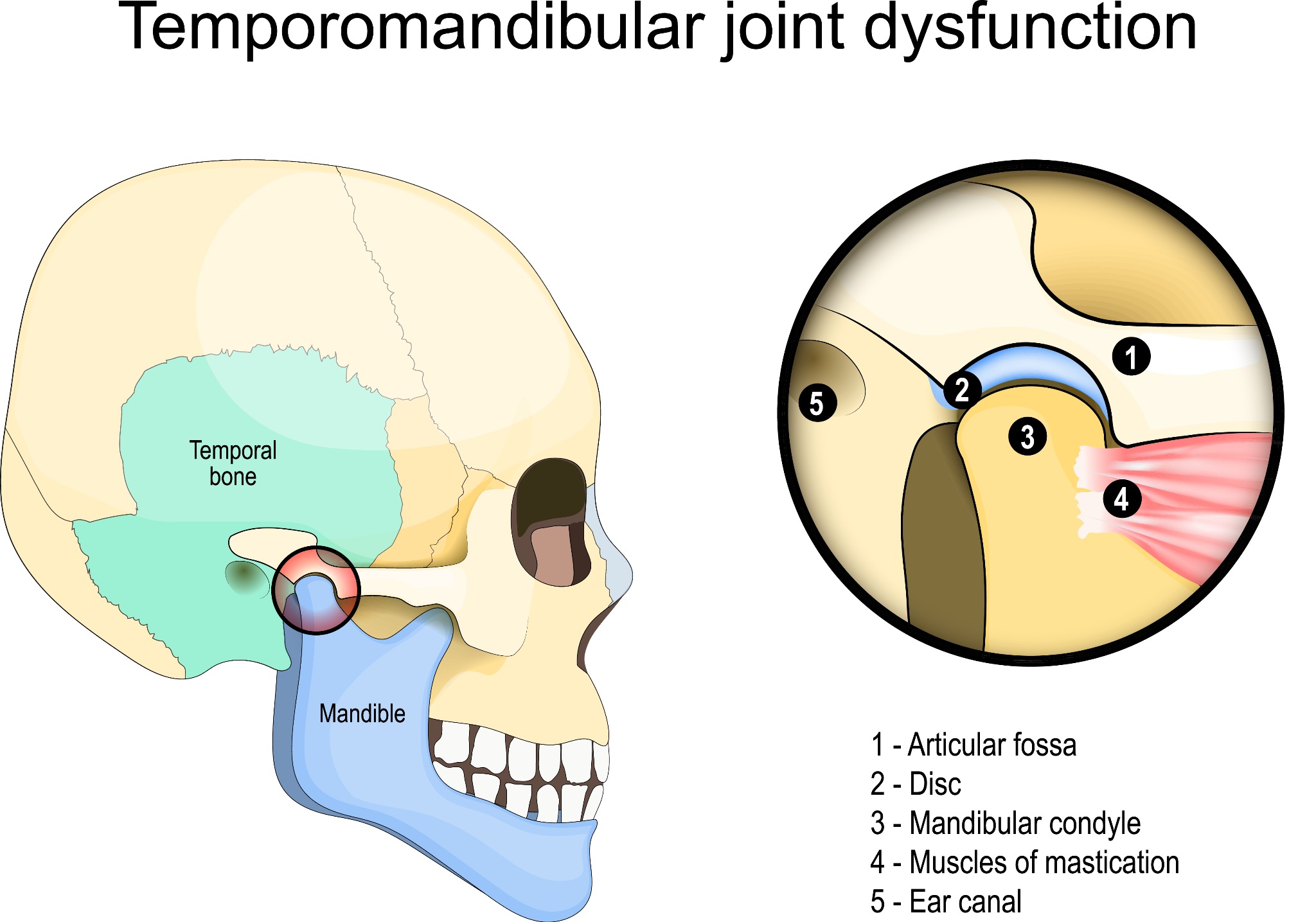
Why the Jaw and Head Are More Connected Than Most People Realize
The trigeminal nerve is the key link, and it rarely comes up in headache conversations.
As the largest cranial nerve in the body, it supplies sensation to most of the face, jaw, temples, and forehead. When the TMJ is inflamed or surrounding muscles are overworked, irritation travels along that nerve directly into headache territory.
A few specific connection points explain why this happens so consistently:
- The temporalis muscle runs from the jaw up along the skull and is a primary trigger point for tension headaches
- The masseter muscle refers pain upward into the temples when it stays chronically contracted from grinding or clenching
- Bite misalignment creates uneven muscle load across the face, producing constant low-grade tension even at rest
- Nighttime grinding keeps those muscles active for hours during what should be recovery time
Patients with undiagnosed TMJ frequently describe their headaches as starting near the temples or the base of the skull. That pattern follows the anatomy directly.
TMJ Headaches vs. Other Headaches: How to Tell the Difference
TMJ headaches tend to peak in the morning after sleep, cluster around the temples, ears, and jaw, and worsen with chewing, yawning, or extended talking.
Standard tension headaches follow stress or poor posture but do not reliably worsen with jaw movement. Migraines carry distinct neurological symptoms, though TMJ dysfunction can trigger migraine episodes in people already predisposed to them.
A practical indicator: if headaches ease on days when jaw use is minimal, or when applying heat to the jaw brings relief, the TMJ connection deserves a closer look. Many patients carry both a primary headache diagnosis and an underlying TMJ disorder simultaneously.
Treating one without addressing the other produces incomplete results.
What Happens When TMJ Headaches Go Untreated
Untreated jaw dysfunction does not stay static. The muscles caught in the headache cycle stay in chronic overuse, reinforcing pain patterns rather than breaking them.
Over time, the nervous system becomes sensitized to pain signals from the TMJ region, a pattern researchers call central sensitization. The brain gradually lowers its threshold for pain as it receives constant input from an irritated joint. Triggers get smaller. Symptoms get larger.
Headaches that forma few times a week start appearing daily.
Patients who manage TMJ headaches with medication alone tend to see diminishing returns. The medication addresses the symptom while the structural cause keeps generating new ones, which is a cycle worth breaking sooner rather than later.
How Treating TMJ Can Relieve Chronic Headaches
Treating the jaw disorder can reduce or eliminate the headaches connected to it. Remove the source of muscle strain and nerve irritation, and the headache cycle loses its fuel.
Custom oral appliances decompress the TMJ and may reduce overnight grinding to allow the jaw muscles to recover.
Bite adjustments redistribute chewing forces so no single muscle group stays overloaded. For patients with deeper joint involvement, Dr. Thompson's training in prolotherapy, PRP, PRF injections, and laser therapy addresses soft tissue inflammation at a level most Nashville dental practices cannot offer.
Many patients report a meaningful drop in headache frequency within the first few weeks of treatment. The earlier the intervention, the more straightforward the path to relief.

Hall Dental Studio Helps Nashville Patients Connect the Dots on Jaw Pain and Headaches
Chronic headaches should not just be managed. They should be explained.
Hall Dental Studio in South Nashville's 37204 brings TMJ expertise to patients that goes well beyond a standard dental visit. Dr. Jon Mark Thompson trained directly under H. Clifton Simmons III, Tennessee's premier TMJ dentist, giving him the diagnostic foundation to identify jaw-driven headache patterns that other providers miss.
Patients at Hall Dental Studio get a thorough assessment of their bite, joint health, and muscle function before any treatment is recommended.
If chronic headaches have been your normal for too long, your jaw may be the place to start.
Call (615) 831-9010 or schedule online.
FAQs: Chronic Headaches and TMJ
Can TMJ disorders cause daily headaches?
Yes. When the jaw joint and surrounding muscles stay under chronic strain, daily headaches are a common result. Patients who grind at night are especially susceptible because the muscles responsible for head pain never get adequate recovery time.
How do I know if my headaches are from TMJ?
Headaches that peak in the morning, concentrate around the temples or ears, and worsen with jaw movement are strong indicators of a TMJ connection. A professional evaluation that includes a bite and joint assessment is the most reliable way to confirm it.
Can a dentist help with chronic headaches?
A dentist with specialized TMJ training can help with chronic headaches that originate from jaw dysfunction. Dr. Thompson evaluates the bite mechanics and joint health driving the pain pattern, then builds a treatment plan around the actual cause.
How long does it take for TMJ treatment to relieve headaches?
Many patients notice improvement within the first few weeks of wearing a custom oral appliance. More advanced cases may take longer, but earlier intervention consistently produces faster, more complete relief.
Come visit us, we’d love to make you smile.
