
Does TMJ Go Away on Its Own? At-Home Relief vs. When to See a Dentist
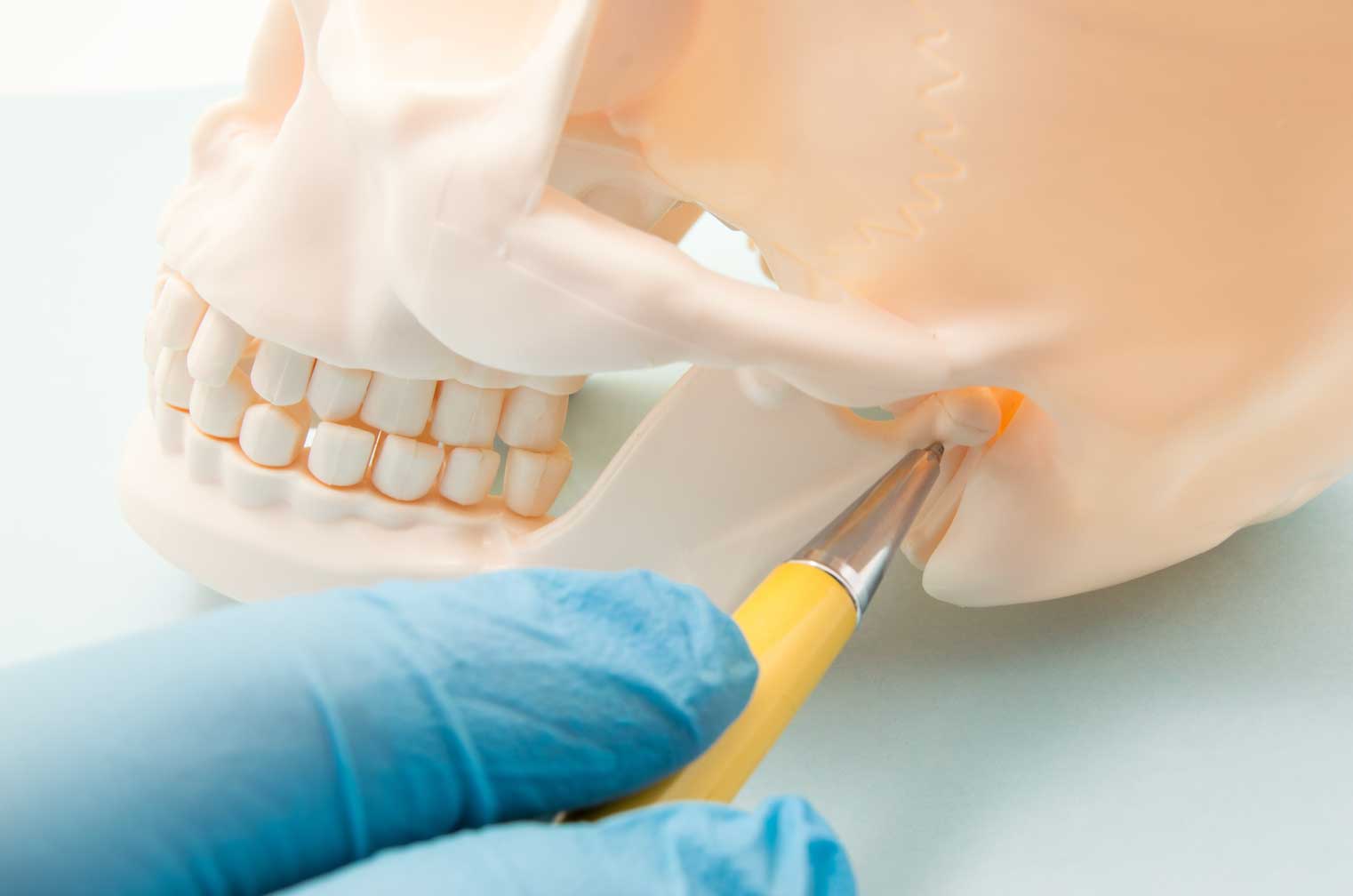
Does TMJ Go Away on Its Own?
Sometimes, yes. Mild TMJ discomfort tied to a stressful week or a one-off jaw strain can ease up on its own within a few days. But if your symptoms keep coming back, stick around for weeks, or seem to be getting worse, waiting it out usually isn't the answer.
TMJ disorder ranges from a minor annoyance to a genuine problem that needs treatment, and figuring out which one you're dealing with makes all the difference in how you handle it.
If you're not sure which category you fall into, a quick evaluation with our TMJ care team will give you a clear answer instead of another guessing game.
When Mild TMJ Symptoms May Resolve Without Treatment
Some jaw pain really is temporary, and it's worth knowing the difference before you panic and book every specialist in town.
A single stressful week that had you clenching your jaw without realizing it can cause soreness that fades once things calm down. Wide yawning, biting into something tougher than expected, or a long dentist visit can also leave your jaw achy for a day or two.
The pattern to look for here is simplicity. Mild, short-lived, no clicking or popping, no locking, and no pain radiating into your ear or head. If that describes what you're dealing with, a few days of rest often does the trick. If it doesn't sound that simple, keep reading.
At-Home Remedies That Can Ease TMJ Discomfort
For mild symptoms, a handful of at-home strategies genuinely help take the edge off:
- Apply a warm compress to your jaw for 10-15 minutes to relax tight muscles
- Stick to soft foods for a few days, think scrambled eggs and soup, not steak
- Try gentle jaw stretches, opening and closing slowly without forcing the movement
- Cut out gum and anything that requires excessive chewing
- Use an over-the-counter anti-inflammatory like ibuprofen for a few days if needed
- Work on lowering stress levels, since tension often shows up in your jaw first
None of these are complicated, and most people already have what they need at home. Give these a real shot for a week or two. If your jaw isn't cooperating by then, that's useful information too.
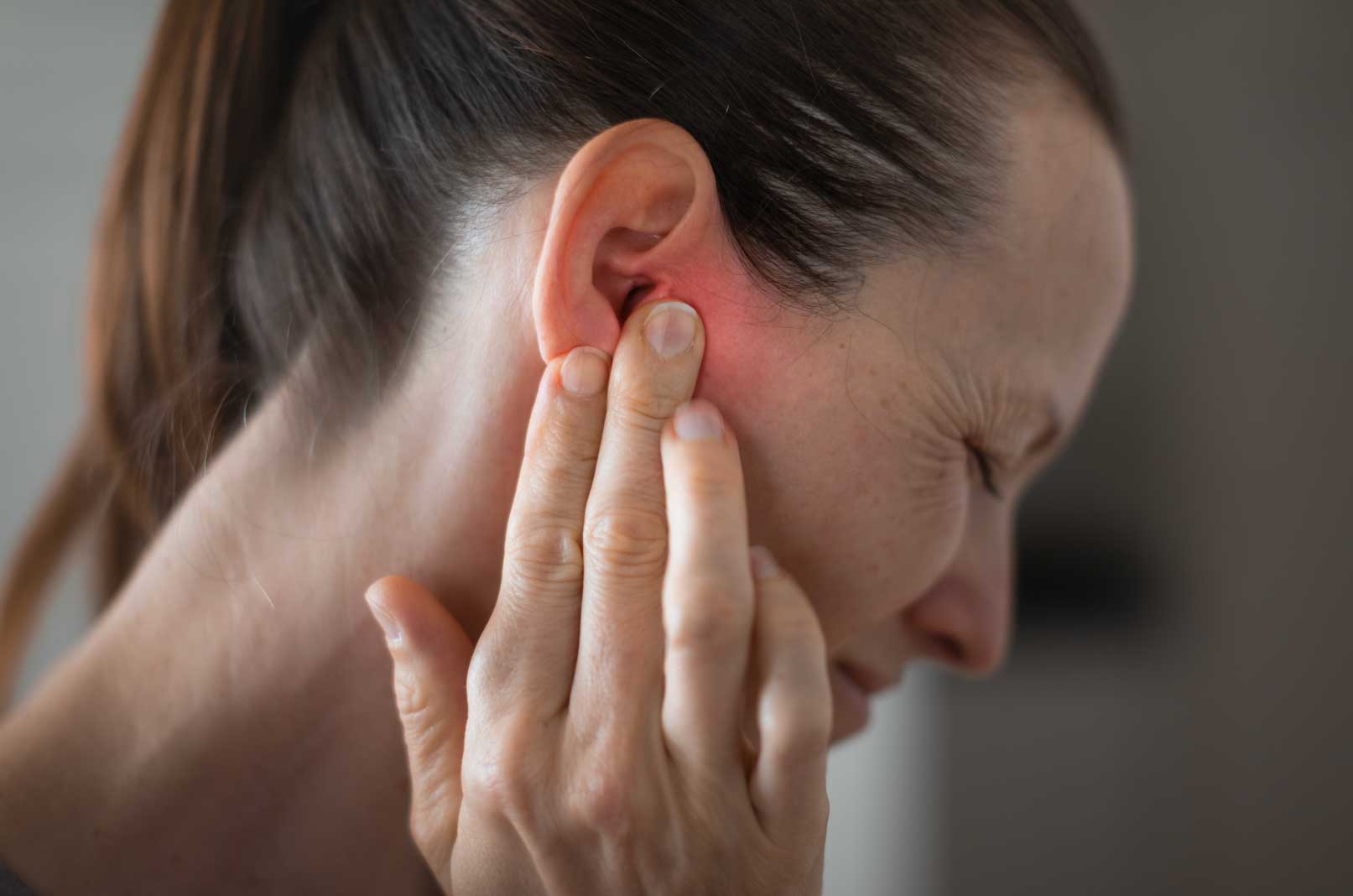
When At-Home Relief Isn't Enough
A few clear signs tell you it's time to stop self-treating and get an actual evaluation.
Pain that sticks around for more than two weeks despite rest and home care is one. Jaw locking, or a noticeably limited range of motion when you try to open your mouth, is another, and that one shouldn't wait.
Watch for symptoms trending in the wrong direction too. If your jaw pain is getting worse instead of better, or new symptoms start joining the party, like ear pain, headaches, or neck tension, your body is telling you this isn't a simple strain anymore.
At that point, home remedies are just delaying a conversation you need to have with a dentist.
What Happens If TMJ Goes Untreated
Ignoring TMJ long-term rarely works out well. The joint itself can sustain real damage over time, and what starts as occasional discomfort can turn into chronic pain that's much harder to reverse.
Headaches tend to get more frequent, not less. Teeth take a hit too, showing wear, cracks, or breakage from ongoing strain that never gets addressed.
Here's the part that matters most: the longer TMJ goes untreated, the fewer conservative options you may have left. Catching it early usually means simpler treatment. Waiting it out often means starting from a tougher spot.
How a Dentist Treats TMJ When Home Care Isn't Working
Professional TMJ treatment starts with a real look at what's actually happening in your jaw, not a generic fix.
We evaluate your jaw movement, check your bite alignment, and listen for joint sounds that point to what's going on underneath the surface.
From there, treatment usually stays conservative. Custom night guards reduce pressure from clenching and grinding. Bite adjustments correct alignment issues contributing to strain.
For more persistent cases, Hall Dental Studio also offers non-surgical options built around getting you real relief without jumping straight to anything invasive. Nobody wants surgery for jaw pain, and in most cases, nobody needs it either.

Get a TMJ Evaluation at Hall Dental Studio in South Nashville
If you've been giving home remedies a fair shot and your jaw still isn't cooperating, it's time for an actual answer. At Hall Dental Studio, we take a comprehensive look at what's causing your symptoms and build a treatment plan around your specific situation, not a one-size-fits-all approach pulled off a shelf.
Come see us on Trousdale Drive, right in the heart of South Nashville. Visit Hall Dental Studio to schedule your TMJ evaluation today.
FAQs: TMJ Relief and Treatment
How long does TMJ pain usually last?
Mild TMJ pain often resolves within a few days to two weeks. Symptoms lasting longer than that typically need professional evaluation and treatment.
What is the fastest way to relieve TMJ pain at home?
A warm compress paired with a soft-food diet for a few days usually brings the fastest relief for mild, short-term TMJ discomfort.
Can TMJ disorder get worse if left untreated?
Yes. Untreated TMJ can lead to chronic joint damage, worsening headaches, and tooth wear, making conservative treatment options harder to rely on over time.
Is it normal for TMJ pain to come and go?
Yes, TMJ symptoms often fluctuate with stress levels, daily habits, exercise, and use of your mouth, but recurring pain still signals an underlying issue worth addressing.
When should I finally see a dentist about my TMJ symptoms?
See a dentist if pain lasts more than two weeks, your jaw locks, or new symptoms like ear pain or headaches show up alongside your jaw discomfort.
Come visit us, we’d love to make you smile.
