
How TMJ Affects Sleep Quality
TMJ and Sleep Problems: What Nashville Patients Need to Know
TMJ disorders disrupt sleep through nighttime teeth grinding, jaw clenching, airway interference, and chronic pain that prevents the body from reaching or sustaining deep rest.
What makes it particularly frustrating is that the relationship runs both ways. Poor sleep increases muscle tension and pain sensitivity, which worsens TMJ symptoms, which further disrupts sleep.
Patients often arrive describing exhaustion they cannot explain, and chronic fatigue turns out to be one of the most common and least-discussed TMJ complaints. If that sounds familiar, TMJ care in Nashville at Hall Dental Studio may be the answer you have been missing.
Call (615) 831-9010 to schedule a consultation with Dr. Thompson.
How Nighttime Grinding and Clenching Interrupt Sleep
Most people who grind at night have no idea it is happening. The jaw muscles stay active during sleep cycles, generating significant force and keeping the nervous system partially engaged when it should be winding down.
Restorative sleep requires the body to fully release muscular tension as it moves into deeper sleep stages. Active grinding prevents that transition.
The muscles stay contracted, the jaw joint stays under load, and the brain never fully disengages from the physical activity happening in the face and skull.
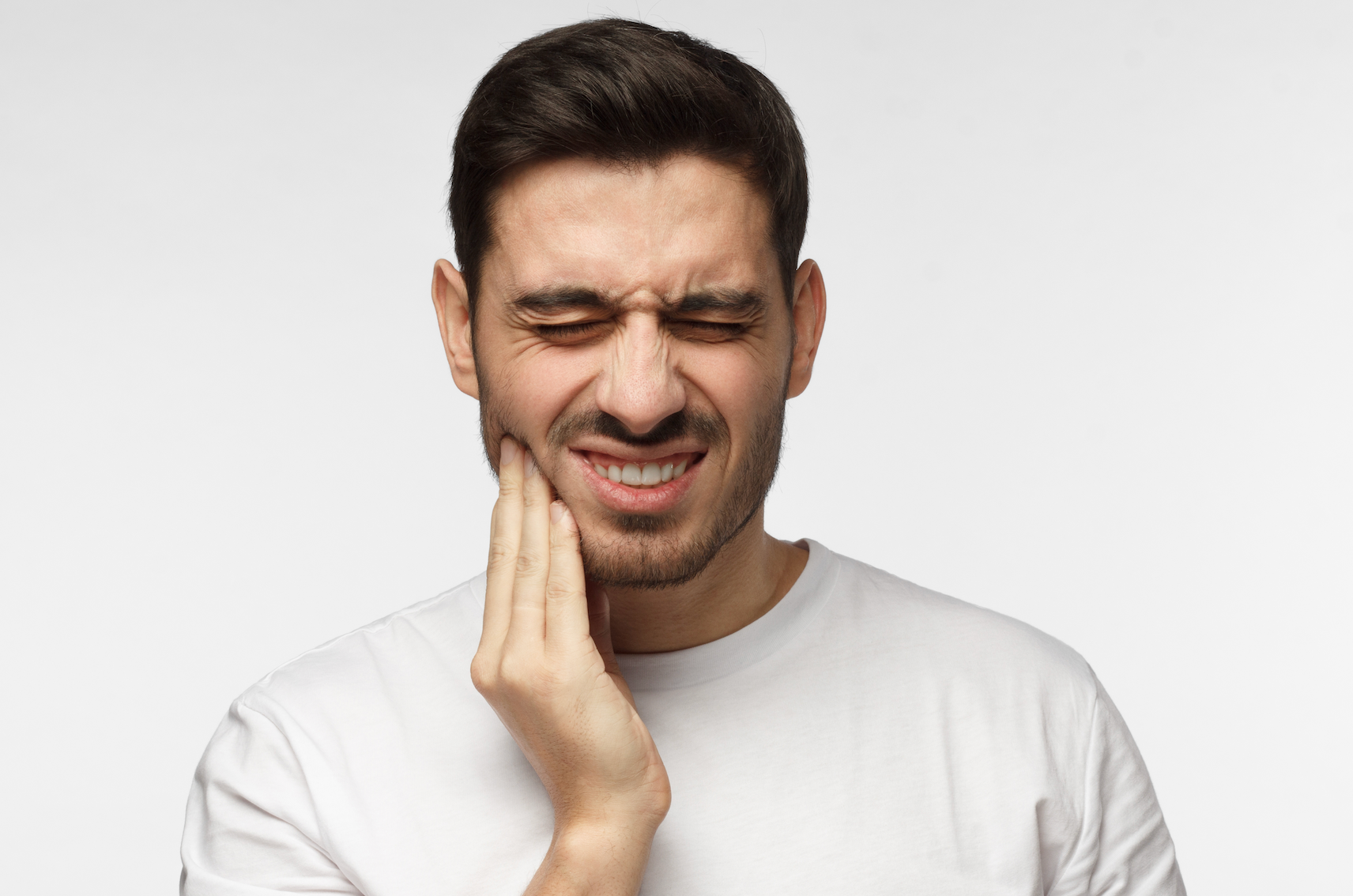
Jaw soreness on waking, headaches concentrated at the temples, tooth sensitivity, and a bone-tired feeling despite spending eight hours in bed are all classic signs of a night spent grinding.
A sleep partner who notices the sound of grinding before you do is not being dramatic. Grinding loud enough to hear across the room is loud enough to be doing real damage to the joint over time.
The Link Between TMJ and Airway Obstruction
TMJ disorders and sleep-disordered breathing, including obstructive sleep apnea, occur together far more often than most patients expect.
The connection is anatomical. Jaw position directly influences the amount of airway space available during sleep. A misaligned or retruded jaw can narrow the airway, increasing the likelihood of obstruction, snoring, and apnea episodes throughout the night.
Several overlapping symptoms point to both conditions being present at once:
- Snoring or observed breathing pauses during sleep
- Waking with a dry mouth or sore throat without being sick
- Daytime fatigue that does not improve regardless of how many hours were slept
- Morning headaches at the temples or back of the skull
Treating TMJ with a properly fitted oral appliance can reposition the jaw in a way that simultaneously improves airway patency. For some patients, one appliance addresses both problems at the same time.
Worth knowing before assuming a CPAP machine is the only option on the table.

Why TMJ Patients Wake Up Exhausted
Chronic fatigue in TMJ patients is not just tiredness. It is the predictable result of a body that spent the night working instead of recovering.
Deep sleep, specifically REM and slow-wave sleep stages, is where the body repairs tissue, regulates hormones, consolidates memory, and resets the nervous system. When grinding, clenching, and airway resistance keep pulling the brain toward lighter sleep stages, those restorative cycles get cut short or skipped entirely. Night after night, that deficit builds.
Patients frequently come in describing brain fog, mood changes, and low energy alongside jaw pain, and are genuinely surprised when Dr. Thompson connects those symptoms back to the jaw.
The jaw is not the first thing most people consider when they feel perpetually run down. It probably should be higher on the list.
How TMJ Treatment Improves Sleep
Treating TMJ can produce dramatic improvements in sleep quality, and for many patients it becomes one of the most noticeable outcomes of care.
Custom oral appliances reposition the jaw during sleep, reducing the force of grinding, relieving muscle strain, and improving airway space in the same movement. Bite correction addresses the underlying misalignment that drives clenching at its source rather than just managing the symptoms nightly.
For patients with more advanced joint involvement, Dr. Thompson's training in prolotherapy, PRP, PRF injections, and laser therapy reduces the inflammation keeping the nervous system activated during sleep.
Patients regularly report sleeping more deeply and waking without jaw pain or headaches within the first few weeks of beginning treatment. Better sleep is a primary outcome of effective TMJ care, not an incidental bonus.

Hall Dental Studio Treats TMJ and Sleep Issues in Nashville, TN
Waking up exhausted after a full night of sleep is a problem worth solving. Hall Dental Studio in South Nashville's 37204 approaches TMJ with the kind of depth that identifies sleep-related patterns most general dental practices miss entirely.
Dr. Jon Mark Thompson trained directly under H. Clifton Simmons III, Tennessee's premier TMJ dentist, and brings that foundation to every evaluation and treatment plan at the practice.
Patients at Hall Dental Studio get a thorough assessment before any treatment is recommended. If you are sleeping a full night and waking up sore, foggy, or worn out, the jaw is worth a closer look.
Call (615) 831-9010 or book online.
FAQs: How TMJ Affects Sleep Quality
Can TMJ cause insomnia?
Yes. Jaw pain, muscle tension, and the physical discomfort of grinding can make it difficult to fall asleep or stay asleep. Patients with active TMJ symptoms often report waking multiple times throughout the night without a clear reason.
Does TMJ get worse at night?
For many patients, TMJ symptoms are most pronounced at night and in the morning. Nighttime clenching and grinding place sustained load on the joint for hours, producing the soreness and stiffness that show up first thing after waking.
Can a mouth guard improve sleep quality with TMJ?
A custom-fitted oral appliance from a trained provider can meaningfully improve sleep quality by reducing grinding force, relieving muscle tension, and repositioning the jaw. Over-the-counter guards vary in fit and may not address the underlying bite issues driving the problem.
Is TMJ connected to sleep apnea?
TMJ disorders and sleep apnea share anatomical overlap, and the two conditions co-occur frequently. Jaw position affects airway space during sleep, and a properly fitted TMJ appliance can improve both jaw function and airway patency in appropriate cases.
Come visit us, we’d love to make you smile.
