
Signs You May Need TMJ Treatment

TMJ Treatment in Nashville — What Your Symptoms Are Telling You
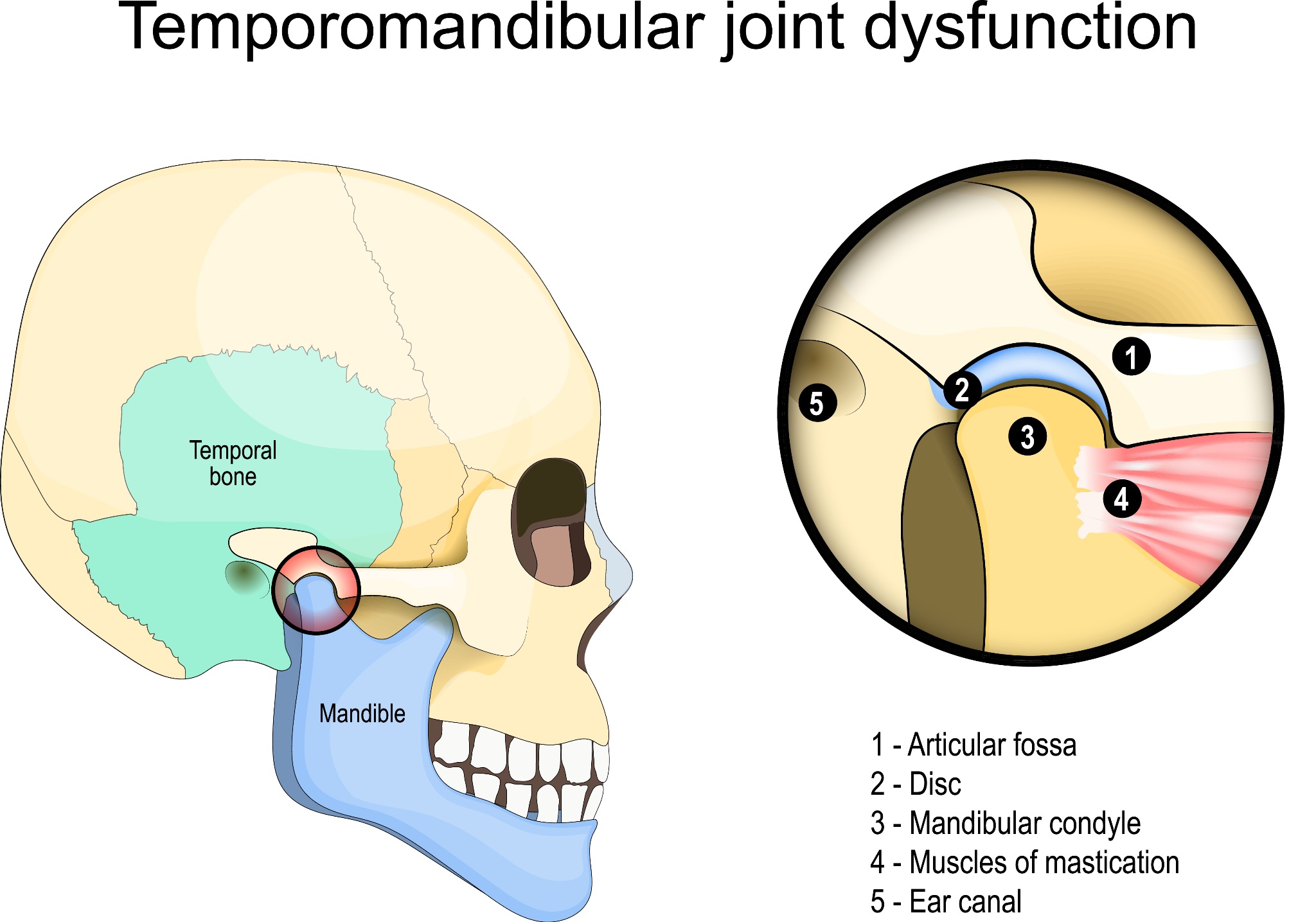
If you experience persistent jaw pain, clicking sounds, chronic headaches, or a jaw that locks or feels stiff, those are the most common signs you may need TMJ treatment. The temporomandibular joint connects your jaw to your skull, and when it stops functioning properly, pain spreads fast — into your head, neck, ears, and shoulders. TMJ disorders affect up to 12 million Americans, and the condition rarely resolves on its own.
Learn more about what specialized care looks like on our TMJ Care page.
At Hall Dental Studio, Dr. Thompson has completed over three years of advanced training under one of Tennessee's leading TMJ specialists. Nashville patients deserve that level of expertise.
Call (615) 831-9010 to schedule a consultation.
The Most Common Warning Signs of TMJ Disorder
TMJ disorder rarely announces itself with one clear symptom. It tends to show up as a cluster of issues that seem unrelated until a trained provider connects them. Here are the warning signs to watch for:
- Jaw pain or facial soreness, especially near the ears
- Clicking, popping, or grinding sounds when opening or closing your mouth
- Chronic headaches or migraines that do not respond to OTC medication
- Earaches or pressure in the ears without any sign of infection
- Jaw stiffness or locking — limited ability to fully open or close your mouth
- Neck, shoulder, or upper back tension with no clear cause
- Teeth grinding or clenching (bruxism), particularly at night
- Pain that worsens when chewing, yawning, or speaking
A symptom or two on their own may not mean much. But when several show up together, or keep coming back throughout the year, that pattern deserves a professional evaluation, not another round of ibuprofen.

Why TMJ Symptoms Spread Beyond Your Jaw
The TMJ connects to a wide network of muscles responsible for chewing, speaking, and head posture. When the joint becomes inflamed or misaligned, surrounding muscle groups compensate, and that tension travels.
Headaches develop because the jaw muscles connect directly to the temples and base of the skull. Ear pain follows because the TMJ sits right in front of the ear canal, sharing nerve pathways. Shoulder and neck tension build as the body tries to offload strain from an overworked jaw.
Left unaddressed, the nervous system can begin amplifying pain signals. This is a pattern called central sensitization.
What starts as jaw stiffness can grow into migraines and chronic musculoskeletal pain. Getting ahead of TMJ is about protecting your quality of life before the problem compounds.
When Is It Time to Stop Waiting and See a Dentist?
Most people manage TMJ symptoms on their own for months. Soft foods, ice packs, pain relievers; these are helpful in the short term, but none of them address what is actually going wrong in the joint.
A few clear thresholds mean it is time to stop self-treating:
- Symptoms persist beyond seven days without improvement
- Pain keeps returning throughout the year, even if it fades between episodes
- Your jaw locks open or closed — do not try to force it manually
- Symptoms are interfering with eating, sleeping, or daily focus
Early-stage TMJ responds well to conservative, non-surgical care. The longer dysfunction goes untreated, the more involved treatment becomes. Acting sooner keeps more options on the table.
How TMJ Treatment Works And What to Expect
At Hall Dental Studio, Dr. Thompson builds each treatment plan around the individual.
Most patients start with conservative approaches: custom oral appliances or stabilization splints to reduce joint pressure and protect teeth from grinding, bite adjustments to redistribute jaw strain, and targeted exercises to restore range of motion.
For cases that call for more advanced care, Dr. Thompson is trained in prolotherapy, PRP, PRF injections, and laser therapy applied directly to the TMJ.
Few dental practices in Nashville offer that level of treatment. The goal every time is to restore comfortable, functional jaw movement and get patients back to living without chronic pain running in the background.

Hall Dental Studio Brings Specialized TMJ Care to Nashville, TN
You do not have to keep tolerating jaw pain, recurring headaches, or stiffness that follows you into every morning.
Hall Dental Studio in South Nashville (37204) has served the Nashville community for over four decades with relationship-based, comprehensive dental care. Dr. Jon Mark Thompson trained directly under H. Clifton Simmons III — Tennessee's premier TMJ dentist — and that foundation shapes every evaluation and treatment plan at the practice.
Patients at Hall Dental Studio sit down with Dr. Thompson, get heard, and leave with a personalized path forward.
Call (615) 831-9010 or schedule online.
FAQs: Signs You Might Need TMJ Treatment
What are the first signs of TMJ disorder?
The earliest signs are typically jaw pain or tenderness near the ears, clicking or popping when opening the mouth, and morning headaches. Many patients also notice jaw stiffness or difficulty chewing first thing in the day.
Can TMJ go away on its own?
Mild, short-term discomfort sometimes improves with rest. Persistent symptoms, recurring episodes, or jaw locking rarely resolve without professional treatment — waiting tends to make the underlying problem worse.
How does a dentist diagnose TMJ?
A TMJ evaluation includes a physical examination of the joint and surrounding muscles, a bite assessment, and often digital imaging like X-rays or CT scans. Dr. Thompson performs a thorough, individualized assessment at every visit.
Is TMJ treatment covered by dental insurance?
Coverage depends on your plan and the recommended treatment. Some appliances and imaging can fall under dental benefits; certain advanced therapies may fall under medical. The Hall Dental Studio team can walk you through your coverage before treatment begins.
Come visit us, we’d love to make you smile.
