
TMJ and Ear Pain: Why Your Jaw Could Be Behind the Ringing
Can TMJ Cause Ear Pain and Ringing?
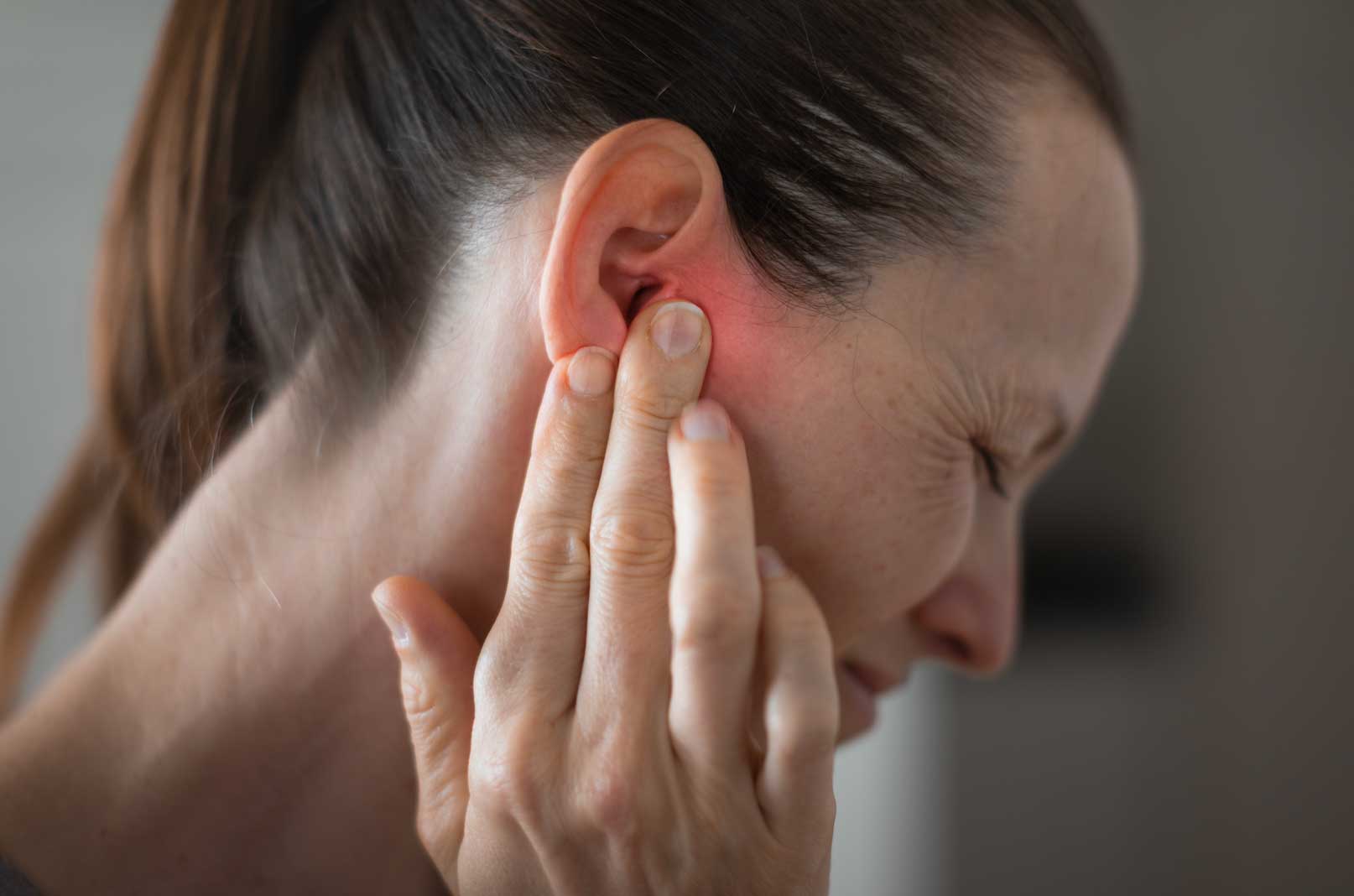
Yes, TMJ disorder can cause ear pain, ringing, and even a stuffy, pressure-filled feeling in your ear. It sounds strange at first. Your ear hurts, so your ears should be the problem, right? Not always.
The joint that connects your jaw to your skull sits directly in front of your ear canal, close enough that inflammation or dysfunction in the joint spills over into how your ear feels. A lot of patients spend months bouncing between ENTs before anyone connects the dots back to their jaw.
If that sounds familiar, book an evaluation with our TMJ care team and let's figure out what's actually going on.
Why the Jaw and Ear Are So Closely Connected
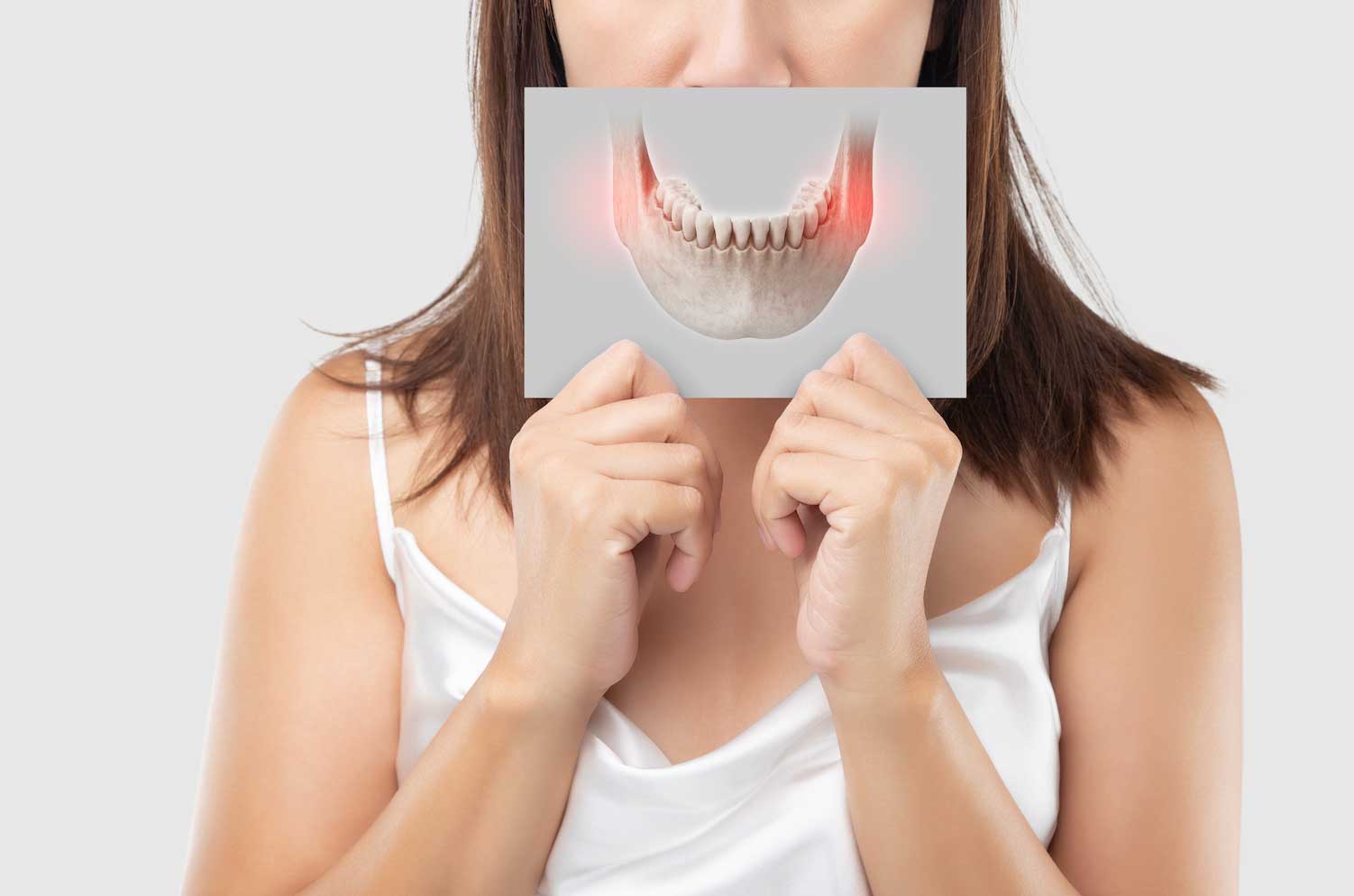
The anatomy here explains a lot. Your temporomandibular joint sits just below and in front of your ear canal, practically neighbors sharing a wall.
One small ligament involved in jaw movement, called the discomalleolar ligament, actually connects to a tiny bone inside your middle ear.
That connection means inflammation in the jaw joint doesn't stay contained. Swelling, muscle tension, or joint irritation can radiate straight into the ear structures nearby. Add in the fact that several major nerves run through this same tight area, and you've got a setup where jaw problems and ear symptoms get tangled together more often than most people realize.
Ear Symptoms That Are Actually Caused by TMJ
Several ear symptoms trace back to TMJ far more often than patients expect. Here's what tends to show up:
- Ear fullness or pressure that feels like you need to "pop" your ears
- Ringing or buzzing in one or both ears, known as tinnitus
- Muffled hearing that comes and goes
- A dull ache behind or just below the ear
- Occasional dizziness or balance issues in more severe cases
The key giveaway is that these symptoms usually show up without any of the classic signs of an actual ear infection. No fever. No fluid or discharge. No sudden hearing loss. Just an ear that feels off, paired with a jaw that's been working overtime.
How to Tell If It's TMJ or a True Ear Problem
The clearest signal is timing.
If your ear symptoms get worse when you chew, yawn, or talk a lot, your jaw is very likely the source. True ear infections don't care whether you're eating a sandwich or sitting quietly.
A few other patterns worth paying attention to:
- Jaw clicking, popping, or tightness shows up alongside the ear symptoms
- An ENT has already ruled out infection, fluid buildup, or hearing damage
- Pressing gently near your jaw joint reproduces or worsens the ear discomfort
- The symptoms fluctuate with stress, sleep, or how much you've been clenching your teeth
If you've already made the ENT appointment and walked out with a shrug and a "everything looks normal," that's usually the moment to look at the jaw instead. It's the piece of the puzzle that gets missed constantly, and honestly, it's a little frustrating how often it happens.
How TMJ-Related Ear Pain Is Diagnosed and Treated
Diagnosing this starts with a real look at how your jaw moves, not just a quick glance in your mouth.
We check your bite alignment, listen for joint sounds like clicking or grinding, and evaluate muscle tenderness around the jaw and temples. Imaging comes into play when we need a closer look at the joint itself.
From there, treatment stays conservative whenever possible.
A custom night guard or oral appliance often reduces the muscle tension driving your symptoms. Bite adjustments can relieve pressure points that keep irritating the joint. For more stubborn cases, we also offer advanced options like laser therapy, which helps calm inflammation without surgery or downtime.
Nobody needs to jump straight to invasive treatment for TMJ-related ear pain. Most patients see real improvement with the conservative route alone.

Get Relief from TMJ-Related Ear Pain at Hall Dental Studio in South Nashville
Ear pain with no clear cause is exhausting, especially when every specialist keeps sending you somewhere else. At Hall Dental Studio, we take the time to look at what other providers might not think to check: your jaw. Dr. Thompson's background in TMJ care means you're getting a genuine evaluation, not another round of guesswork.
If you've been dealing with ringing, pressure, or unexplained ear discomfort, your jaw deserves a look before you write it off as a mystery. Reach out to Hall Dental Studio and let's get you some real answers.
FAQs: TMJ and Ear Pain
Can TMJ cause tinnitus (ringing in the ears)?
Yes. Inflammation and muscle tension from TMJ disorder can affect nearby ear structures and nerves, which often triggers ringing or buzzing in one or both ears.
Why does my ear hurt when I chew or yawn?
Chewing and yawning put direct pressure on the jaw joint, which sits right next to your ear canal. If TMJ is the cause, those movements typically make the ear pain noticeably worse.
Can TMJ cause ear fullness without infection?
Absolutely. TMJ-related ear fullness happens without fever, discharge, or other infection symptoms, since the pressure comes from joint inflammation rather than fluid buildup.
Should I see an ENT or a dentist for TMJ-related ear pain?
If an ENT has ruled out infection or hearing issues and symptoms persist, a dentist experienced in TMJ care is the next right step to find the actual cause.
Will treating TMJ stop the ringing in my ears?
Many patients notice a real reduction in tinnitus and ear pressure once the underlying jaw tension and joint inflammation get properly treated.
Come visit us, we’d love to make you smile.
