
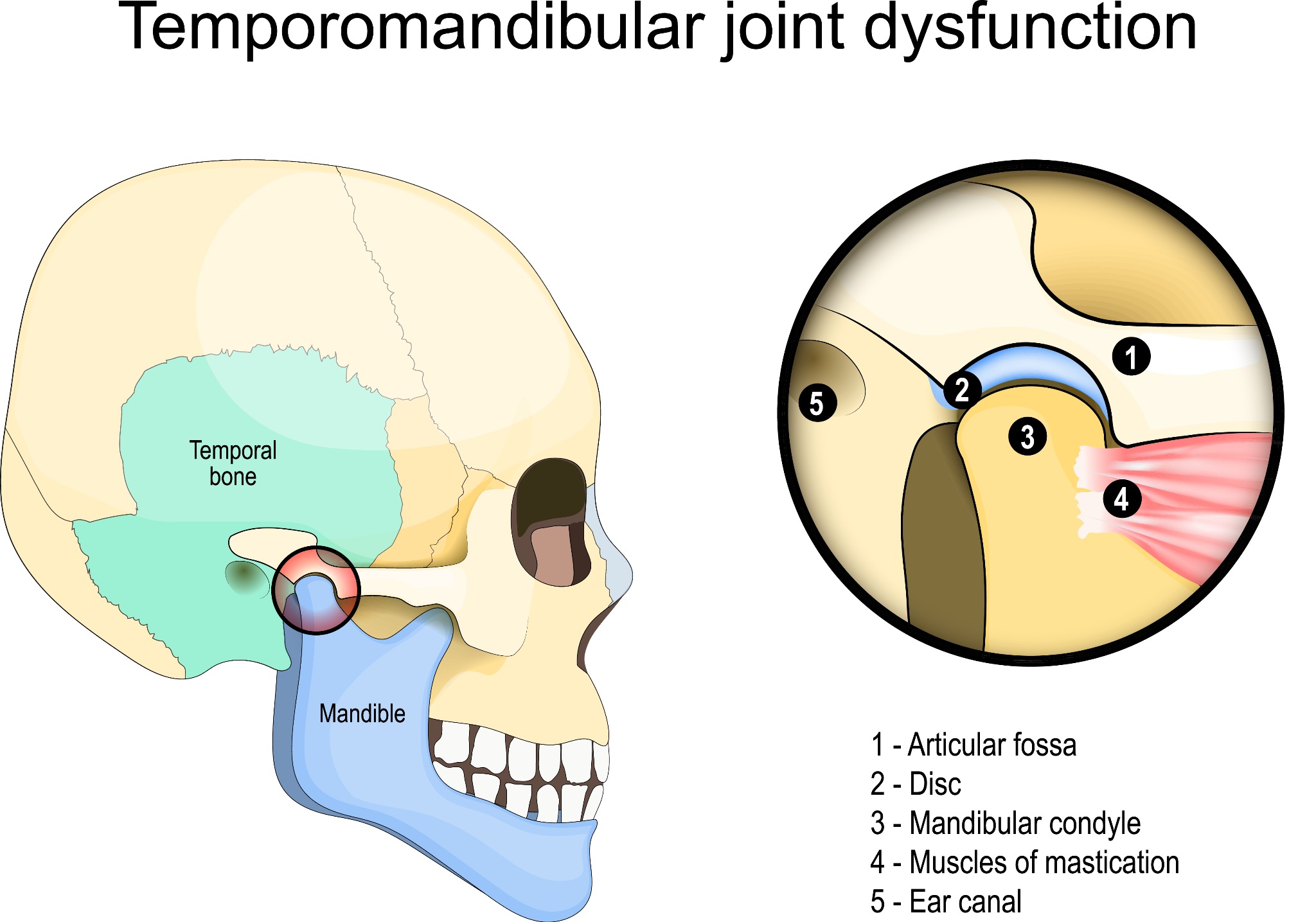
What Causes TMJ Disorders
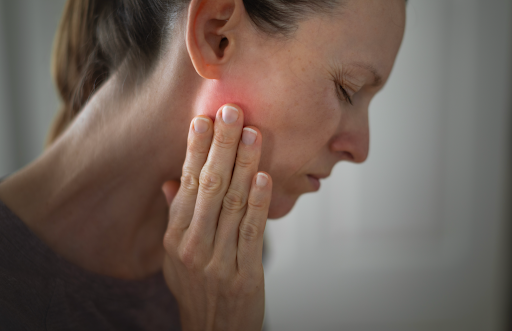
TMJ Causes Explained by a Nashville Dentist
TMJ disorders are most commonly caused by trauma and made worse by teeth grinding, bite misalignment, additional jaw trauma, arthritis, and chronic stress, but what makes them difficult to pin down is that these causes almost always overlap.
A patient grinding at night may also have a misaligned bite amplifying the damage, while stress keeps the cycle running in the background without a single obvious trigger to point to
Up to 12 million Americans live with TMJ symptoms, and most of them went months — sometimes years — without understanding why.
At Hall Dental Studio, Dr. Thompson's advanced training in TMJ care means Nashville patients get to the real source of their pain, not a temporary patch.
Call (615) 831-9010 to schedule a consultation.
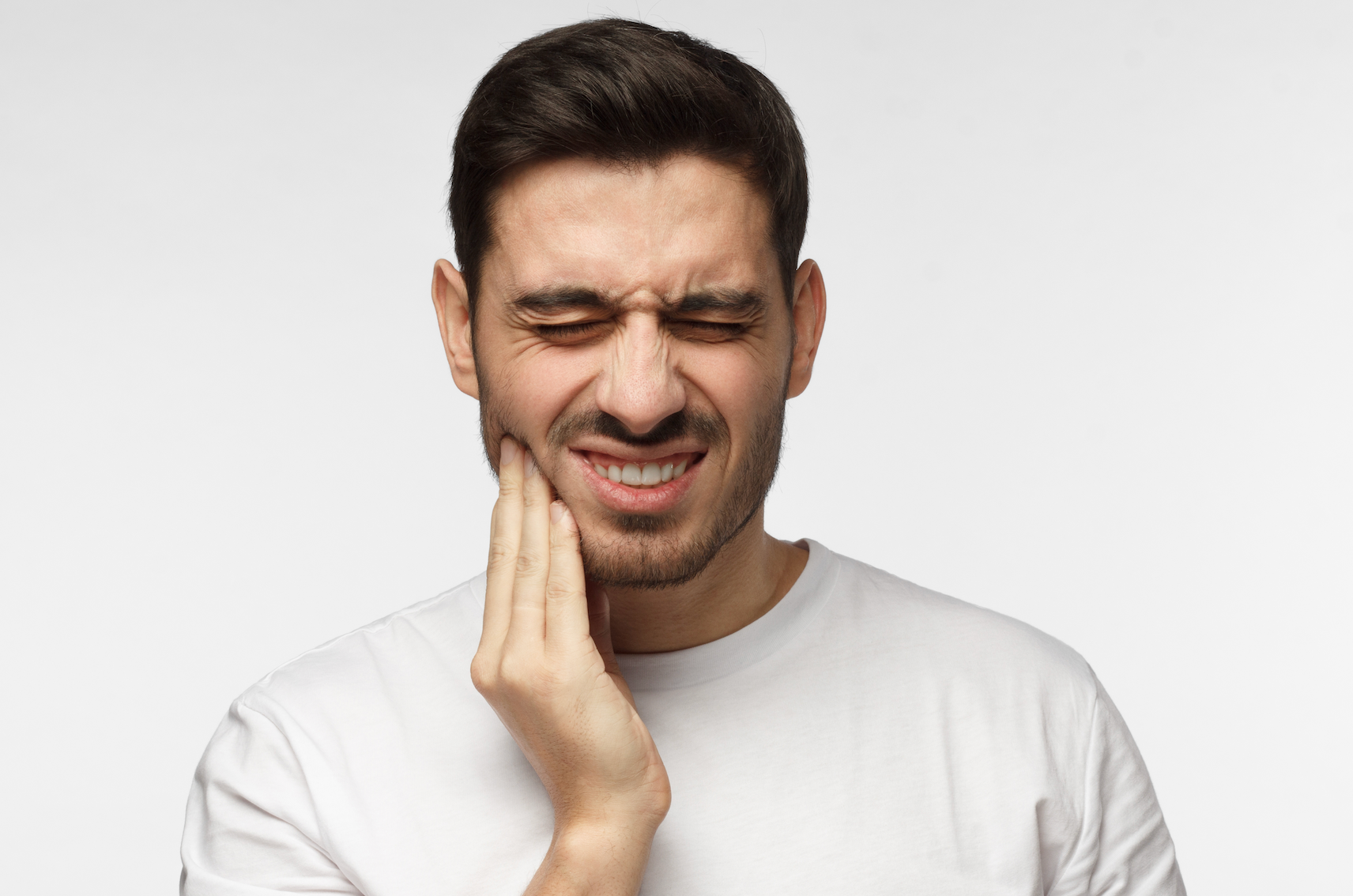
The Most Common Causes of TMJ Disorders
Most patients present with more than one contributing factor, which is exactly why self-diagnosing TMJ rarely works. Here is what is actually driving most cases:
- Teeth grinding and clenching (bruxism): repetitive pressure on the joint during sleep damages cartilage and fatigues the surrounding muscles over time, often without the patient knowing it is happening
- Jaw trauma or injury: a direct blow, whiplash, or dislocation can shift joint alignment or damage the disc that cushions the bones
- Bite misalignment (malocclusion): when the upper and lower teeth do not meet evenly, the jaw compensates with every single chew, placing chronic strain on the joint
- Arthritis: both osteoarthritis and rheumatoid arthritis break down cartilage in the TMJ, reducing smooth movement and increasing pain
- Chronic stress: sustained tension causes unconscious jaw clenching that gradually degrades the joint, even in people who swear they never clench
- Structural hypermobility: some patients have joints that move beyond their normal range, creating instability and pain with everyday jaw movement
Identifying the primary cause is the first step toward treatment that actually holds. A surface-level evaluation rarely gets there.
Why Stress Deserves More Credit Than It Gets
Stress tends to get framed as a lifestyle issue rather than a physical one.
That framing does patients a disservice. When the body stays in a state of tension, the facial and jaw muscles tighten involuntarily. Most people never notice it happening. They clench during long work sessions, while driving, while concentrating on a screen, and throughout the night.
That unconscious clenching is one of the leading contributors to bruxism, which in turn is one of the most reliable paths to a TMJ disorder. The cycle feeds itself. Treating the joint damage without addressing the stress patterns underneath means symptoms come back, usually faster the second time around.
Hall Dental Studio's approach accounts for this. A personalized treatment plan looks at the full picture, not just the joint in isolation.
How Bite Misalignment and Grinding Damage the Joint Over Time
The TMJ absorbs the force of every bite, every chew, and every clenching episode. In a well-aligned bite, that force distributes evenly across the joint. When alignment is off, specific areas take a disproportionate load.
To put that in perspective: the average person generates 150 to 200 pounds of bite force during normal chewing. Grinding at night can push that significantly higher. The joint was not built to handle that kind of uneven, repetitive stress without consequences.
Over time, the cartilage wears down. The disc between the joint bones shifts or deteriorates. The surrounding muscles begin to spasm. Patients who grind at night often wake up with headaches and jaw stiffness that were not there when they fell asleep — and that is not a coincidence. It is cumulative damage showing up at the start of the day.
Does Everyone With These Risk Factors Develop TMJ?
No. Having risk factors does not guarantee a TMJ disorder develops. Plenty of people grind occasionally or carry significant stress without developing chronic joint dysfunction. That said, risk factors do increase susceptibility, and certain populations carry a statistically higher risk.
Women between ages 20 and 40 are diagnosed with TMJ disorders at roughly twice the rate of men, though researchers are still studying the reasons behind that pattern.
The more useful question is whether current symptoms suggest the joint is already under stress. Catching dysfunction early changes the treatment path considerably. Conservative care works well in early stages. Waiting narrows those options.

What Dr. Thompson at Hall Dental Studio Looks for in Nashville TMJ Patients
Jaw pain that has gone unexplained for months deserves a real answer, and that starts with the right evaluation.
At Hall Dental Studio in South Nashville, Dr. Jon Mark Thompson approaches every TMJ consultation with a thorough assessment of bite mechanics, joint health, muscle function, and patient history. Nothing gets skipped because skipping things is how causes get missed.
Dr. Thompson spent over three years training directly under H. Clifton Simmons III, Tennessee's premier TMJ dentist, which means the diagnostic process at Hall Dental Studio goes deeper than most practices in Nashville can offer. Patients leave that first appointment understanding what is actually driving their symptoms and what a realistic treatment plan looks like.
Visit Hall Dental Studio to learn more about the practice, or call (615) 831-9010 to book your evaluation.
FAQs: What Causes TMJ Disorders?
What is the most common cause of TMJ disorders?
Physical trauma is the most frequently identified cause of TMJ disorders. Clenching and grinding worsen symptoms by placing significant repetitive stress on the joint, often during sleep when the patient has no control over it. Bite misalignment and chronic stress are close contributors and frequently appear alongside bruxism.
Can TMJ be caused by stress alone?
Stress alone can contribute meaningfully to TMJ development, primarily through involuntary jaw clenching and muscle tension. In most cases, stress acts as an accelerant alongside another underlying factor like misalignment or bruxism rather than operating in complete isolation.
Does teeth grinding always lead to TMJ?
Not always, but bruxism significantly raises the risk. Occasional grinding in an otherwise healthy, well-aligned bite may not produce lasting joint damage. Regular, forceful grinding over months or years is a different matter and warrants professional evaluation.
Can TMJ disorders be prevented?
Some causes, like genetic joint structure or past trauma, fall outside anyone's control. Others are manageable. Wearing a custom night guard if you grind, addressing bite alignment issues early, and finding effective ways to manage physical stress all reduce the likelihood of developing a serious TMJ disorder.
Come visit us, we’d love to make you smile.
