
What Happens During a TMJ Evaluation?
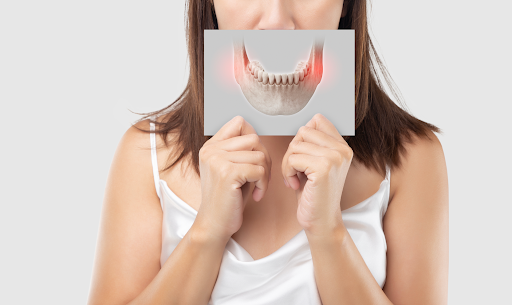
What to Expect From a TMJ Evaluation at a Nashville Dentist
A TMJ evaluation includes a review of your symptoms and health history, a physical examination of the jaw joint and surrounding muscles, a bite analysis, and diagnostic imaging to assess the joint's structure and function.
The process is designed to identify not just whether a TMJ disorder is present, but what is specifically driving it — because treatment without a clear diagnosis tends to miss the mark.
A thorough TMJ evaluation looks and feels different from a standard dental checkup, and it takes considerably more time.
Book a TMJ evaluation in Nashville with Dr. Thompson at Hall Dental Studio, where every treatment plan starts from a complete picture.
Call (615) 831-9010 to schedule a consultation.

Step One: Symptom Review and Health History
The evaluation begins before anyone looks in your mouth.
Dr. Thompson starts with a detailed conversation about your current symptoms: how long they have been present, what makes them better or worse, and what you have already tried.
Nothing gets skipped over.
Health history plays a bigger role here than most patients expect. Prior jaw injuries, headache patterns, sleep quality, stress levels, and any history of grinding all shape the diagnostic picture before a single exam finding is recorded.
Patients frequently leave that initial conversation having connected dots they had been living with for years without linking together. That is the point of doing it thoroughly.
Step Two: Physical Examination of the Jaw and Muscles
The physical exam is where a comprehensive TMJ evaluation separates itself from a quick once-over. Dr. Thompson evaluates how wide you can open your mouth, whether your jaw deviates to one side during movement, and exactly where motion becomes restricted or painful.
He also palpates the jaw joint and surrounding muscle groups to identify tenderness, spasm, and active trigger points. Specifically, the exam assesses:
- Joint sounds including clicking, popping, or crepitus during opening and closing
- Muscle tenderness in the masseter, temporalis, and pterygoid muscles
- Jaw tracking and deviation patterns during movement
- Tooth wear consistent with nighttime bruxism
- Neck and shoulder tension connected to jaw muscle overload
Finding trigger points and movement restrictions gives Dr. Thompson a precise map of where the dysfunction is centered and how far the compensation pattern has spread.
That information directly shapes the treatment plan that follows.

Step Three: Bite Analysis
Bite analysis evaluates how the upper and lower teeth meet and how forces distribute across the jaw during chewing and at rest.
It matters for TMJ because misalignment in the bite places chronic, uneven strain on the joint and surrounding muscles — often in ways the patient has adapted to so gradually that it feels completely normal.
Dr. Thompson uses digital impressions and articulation tools to map contact patterns precisely, identifying where the bite forces the jaw to compensate.
Many patients discover during this step that their bite has been off for years and that the misalignment is the mechanical root of symptoms they assumed were unrelated. Connecting the bite to the broader symptom picture is one of the most valuable things a thorough evaluation produces.
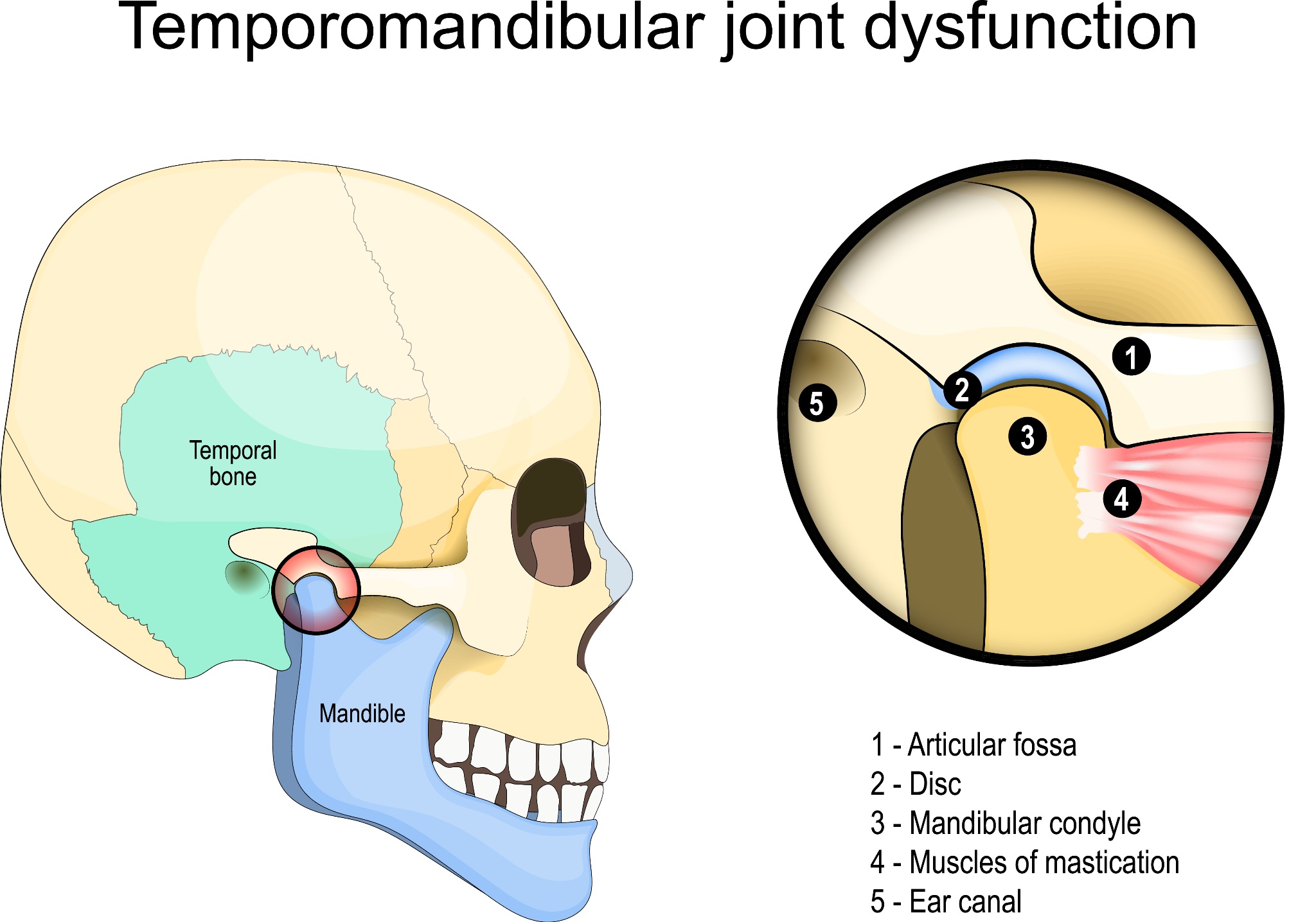
Step Four: Diagnostic Imaging
Standard dental X-rays provide an initial view of tooth and bone structure but do not show the full TMJ clearly.
For a complete picture, Hall Dental Studio uses 3D CT scanning, which produces a detailed three-dimensional image of the bony components of the joint. Structural changes, bone loss, and arthritic damage that flat X-rays miss entirely become visible.
Having 3D CT imaging in-house means patients get that complete diagnostic view without being sent somewhere else first. When soft tissue evaluation of the joint disc is needed, MRI provides that level of detail, and Dr. Thompson will refer appropriately when indicated.
The imaging step removes the guesswork from diagnosis and gives the treatment plan a foundation built on actual findings.
What Happens After the Evaluation
After completing the evaluation, Dr. Thompson walks through the findings in plain language.
No jargon, no vague reassurances, no leaving the room wondering what was actually found. Patients hear a clear explanation of what is driving their symptoms and what a realistic treatment path looks like.
Treatment plans get built around the individual causes identified, not a one-size-fits-all protocol. Most patients start conservatively with a custom oral appliance, with care progressing based on how the jaw responds.
The evaluation is the moment the guesswork ends. Everything that follows has a clear rationale behind it.

Schedule Your TMJ Evaluation at Hall Dental Studio in Nashville, TN
Jaw pain, chronic headaches, and disrupted sleep that have gone unexplained long enough deserve a real diagnostic process.
Hall Dental Studio in South Nashville's 37204 has been serving Nashville patients for over four decades with the kind of thorough, relationship-based care that produces actual answers.
Dr. Jon Mark Thompson trained directly under H. Clifton Simmons III, Tennessee's premier TMJ dentist, and that background shows in how evaluations are conducted at Hall Dental Studio.
Patients are heard, examined carefully, and leave with a clear picture of what is happening and what comes next.
Call (615) 831-9010 or book online.
FAQs: What Happens During a TMJ Evaluation?
How long does a TMJ evaluation take?
A thorough TMJ evaluation typically runs longer than a standard dental appointment, often between 60 and 90 minutes depending on the complexity of the case. The time reflects how much ground gets covered across history, exam, bite analysis, and imaging.
Does a TMJ evaluation hurt?
The evaluation involves palpation of the jaw joint and muscles, which may be tender in active cases, but the process itself is not painful. Patients with significant muscle soreness may notice some discomfort during the exam portion, which actually helps identify where the dysfunction is most concentrated.
What should I bring to a TMJ evaluation?
Bring a list of current symptoms, how long they have been occurring, any prior imaging or dental records, and a summary of treatments already attempted. The more context Dr. Thompson has going in, the more productive the evaluation becomes.
Will I get a diagnosis at my first TMJ appointment?
In most cases, yes. After completing the exam, bite analysis, and imaging review, Dr. Thompson will discuss findings and outline a treatment direction at the same visit. Complex cases may require additional imaging review before a final plan is confirmed.
Come visit us, we’d love to make you smile.
